
Tucked away in our herb garden at Langkawi Cooking School is a family of plants that have quietly shaped the world’s kitchens and medicine chests for centuries — the gingers.
Here, six varieties flourish side by side: the familiar common ginger (Zingiber officinale), the sharper galangal, the golden turmeric, the earthy temulawak, the flamboyant torch ginger, and an unidentified species that surprises us each season with delicate lilac blossoms.
To stroll past them is to encounter a living story of flavour and health benefits known for millennia. Each has its own character, yet together they reveal how closely nature, tradition and daily life are intertwined.
The Common Ginger Proves That Humble Roots Can Be Indispensable
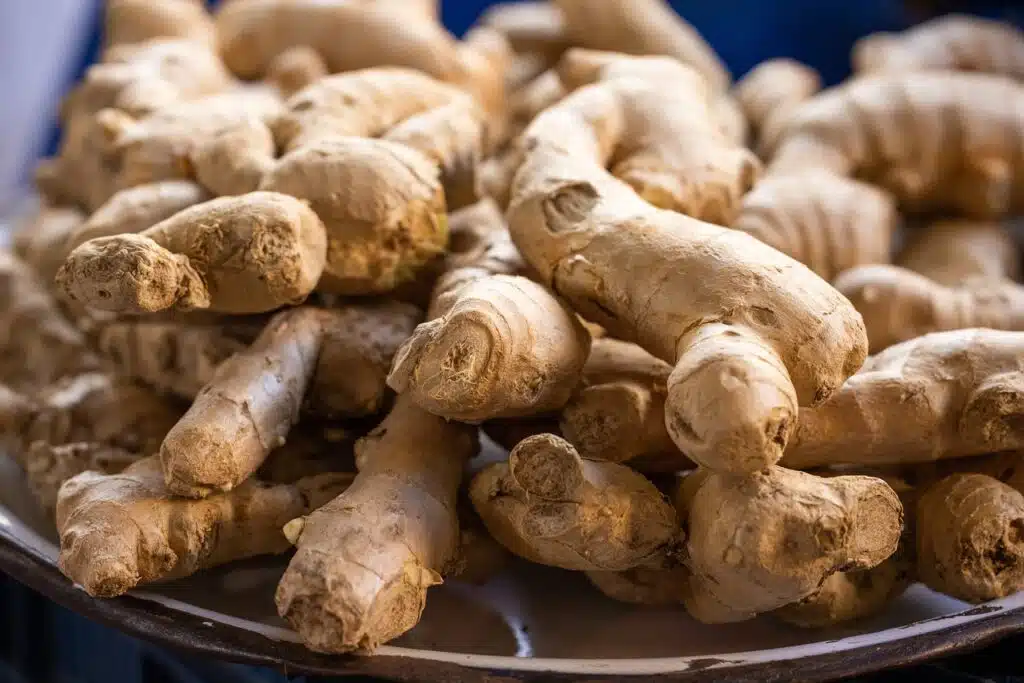
At first glance, the common ginger seems almost plain. Its flowers are discreet, and its rhizomes — the knobbly roots we use — look more like twisted wood than treasure. Yet appearances mislead. Across cultures, ginger has become nothing short of indispensable.
In the kitchen, specifically in Malaysian cuisine, it is endlessly versatile. Its warm, peppery fragrance lifts a simple syrup into something refreshing, turns a biscuit into a spiced indulgence, and adds depth to sauces and curries alike. In Asian cooking, ginger often bridges the gap between subtlety and fire: the faint slices slipped into a gently steamed fish, or the grated roots that give a stir-fried beef dish its exhilarating heat. Few ingredients move so easily from comfort to excitement.
In traditional medicine, ginger has long been held in equal regard. In many Asian households, it is considered essential for a woman recovering after childbirth to restore warmth and vitality. Ginger teas are sipped across the globe to soothe nausea, aid digestion, and relieve aches. Modern research continues to affirm what generations already knew: this humble root carries powerful benefits.
Galangal Brings Brightness and Citrus Notes to the Kitchen
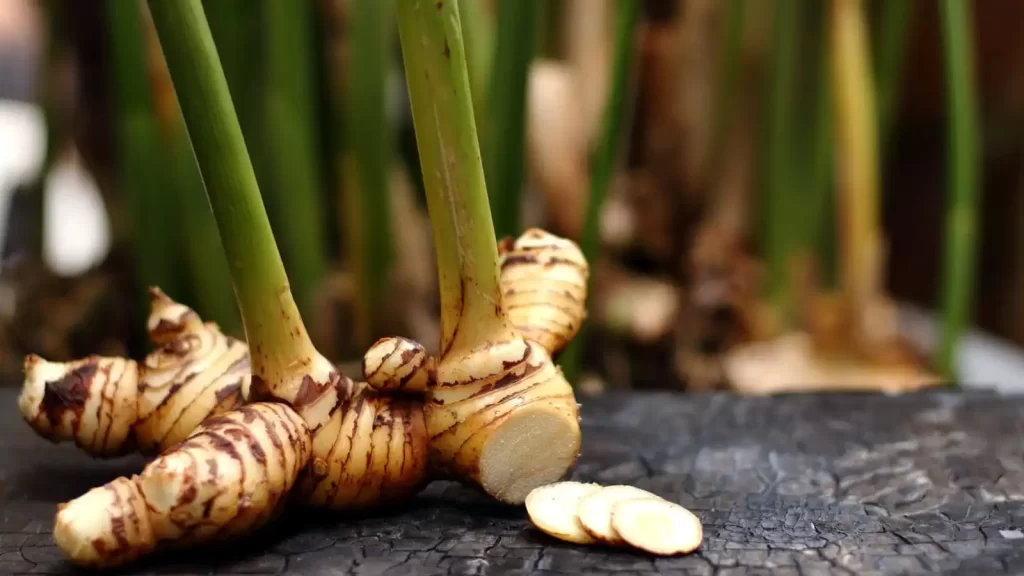
This is where we get more Asia-specific. With its pale, ivory-coloured rhizomes and sharper bite, galangal brings a brightness all its own. It is an essential note in Thai cuisine, where its citrus-like freshness balances rich coconut milk and chillies in curries and soups. Less fiery than common ginger yet equally distinctive, galangal reminds us that even within one plant family, diversity abounds.
Turmeric Adds Golden Colour and Provides Health Benefits
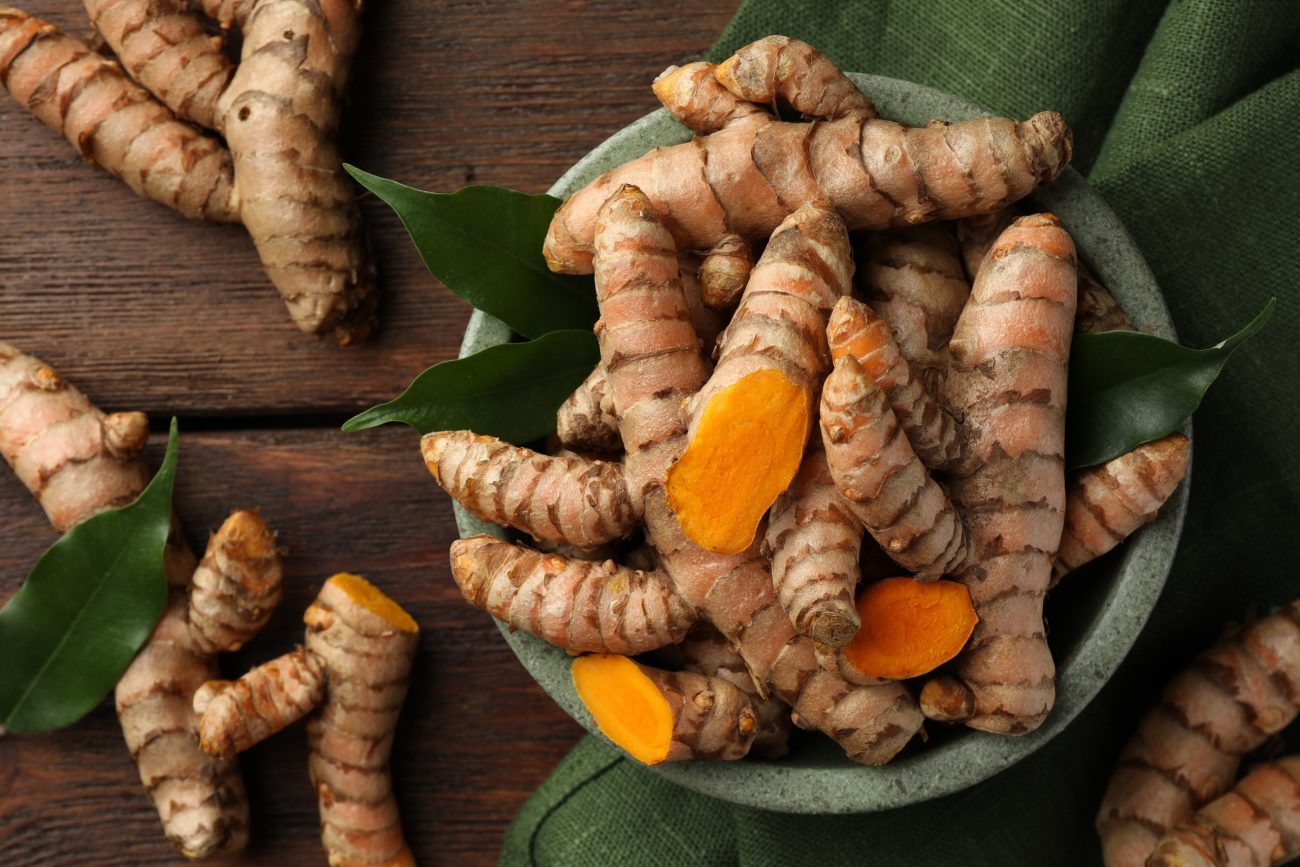
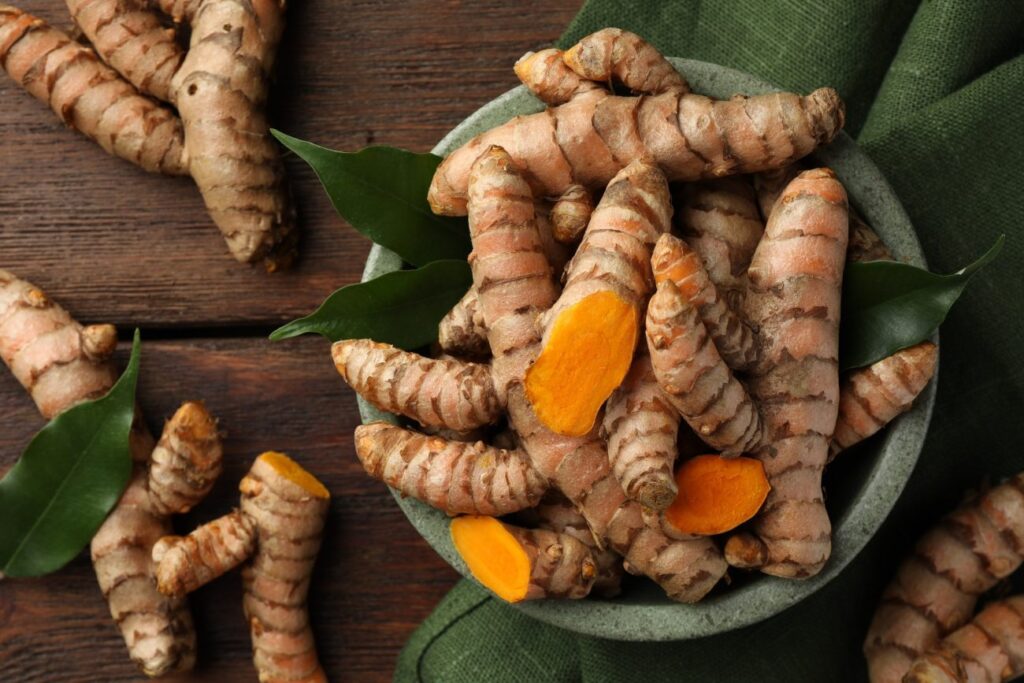
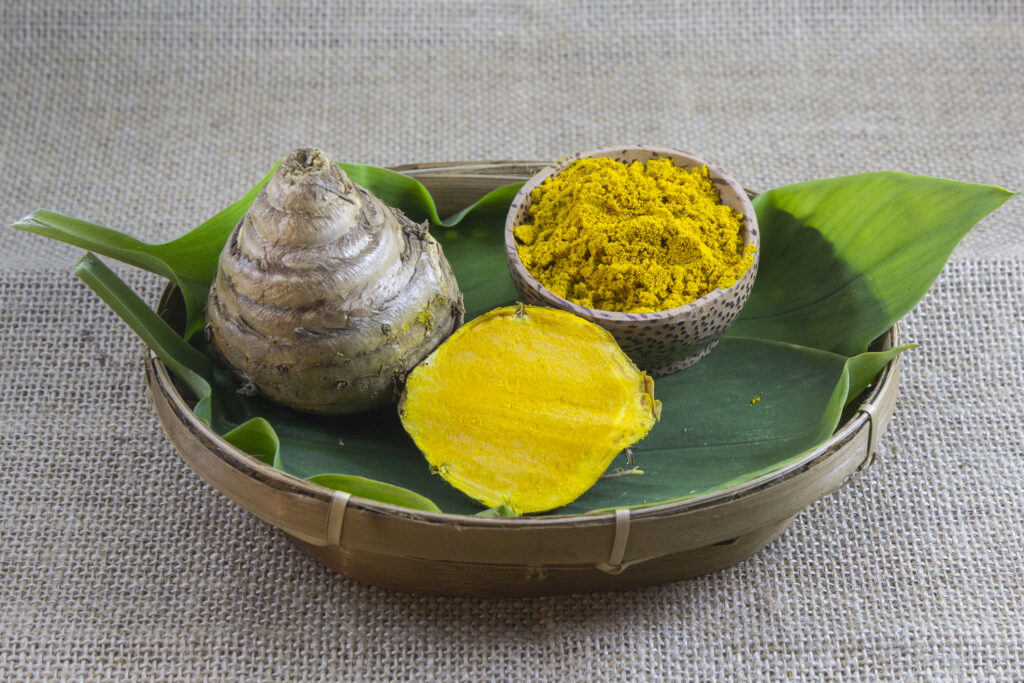
Few plants are as visually striking as turmeric. Break open its rhizome and you reveal a vivid golden flesh that has coloured curries, rice dishes and ceremonial pastes for centuries. Long before it became a global wellness trend, turmeric was revered in India and Southeast Asia for its anti-inflammatory qualities and symbolic role in rituals. It remains both a spice of the kitchen and a medicine of tradition.
Temulawak Stands Out as Indonesia’s Hidden Healer
Temulawak, often called Javanese turmeric, is less known internationally but deeply respected in Indonesia. Its earthy, slightly bitter flavour is less about culinary flourish and more about remedy. Locally, it is prepared as a tonic thought to aid digestion and support liver health. In its quiet way, temulawak continues a long lineage of plants valued as much for healing as for taste.
The Torch Ginger is a Culinary Showstopper
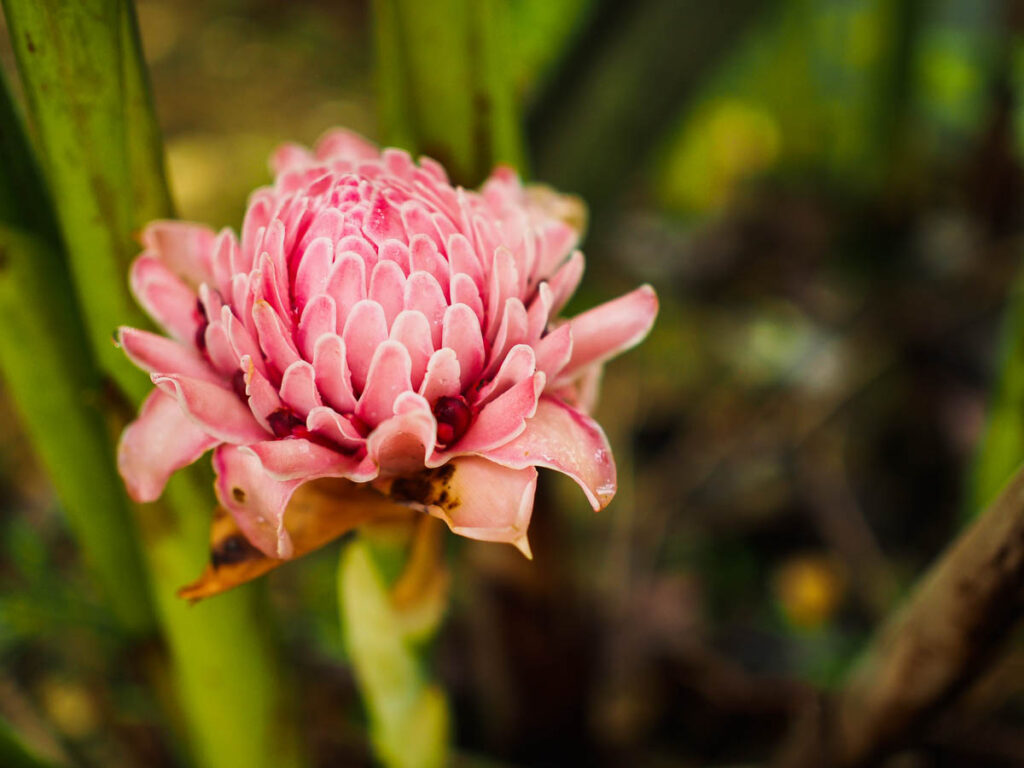
Towering above the beds, the torch ginger is impossible to ignore. Its brilliant orange-pink flowers resemble sculpted flames, a burst of tropical extravagance. Yet beyond their beauty, the petals carry a tangy, floral flavour that defines some of Malaysia’s most iconic dishes. Without torch ginger, Penang’s famous laksa or the sour, spicy asam pedas nyonya would lose their unmistakable fragrance. This plant is not only a visual spectacle, but a cornerstone of cultural memory.
Dishes That Celebrate Ginger
Assam Laksa Brings Torch Ginger to Life
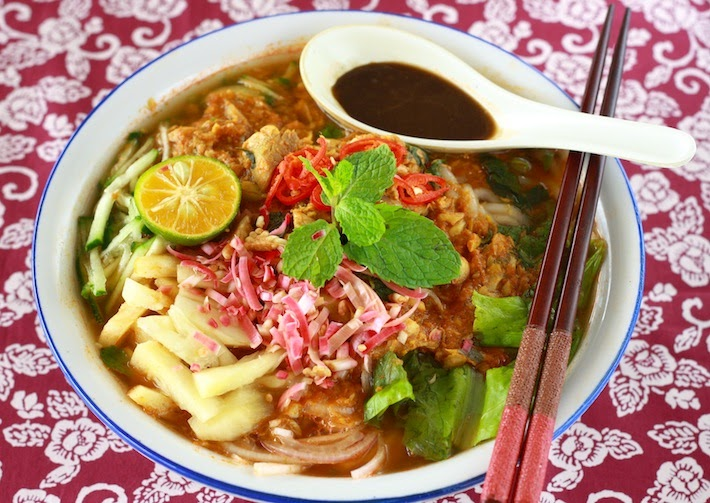
One of Malaysia’s most beloved street foods, assam laksa, would be unthinkable without torch ginger. The soup’s sour tamarind broth is lifted by the sharp, citrusy fragrance of torch ginger flowers, giving it the depth and complexity that has made it a national favourite. Each spoonful is a reminder of how flowers can transform a dish into an icon.
Nyonya Cuisine Blends Tradition with Ginger
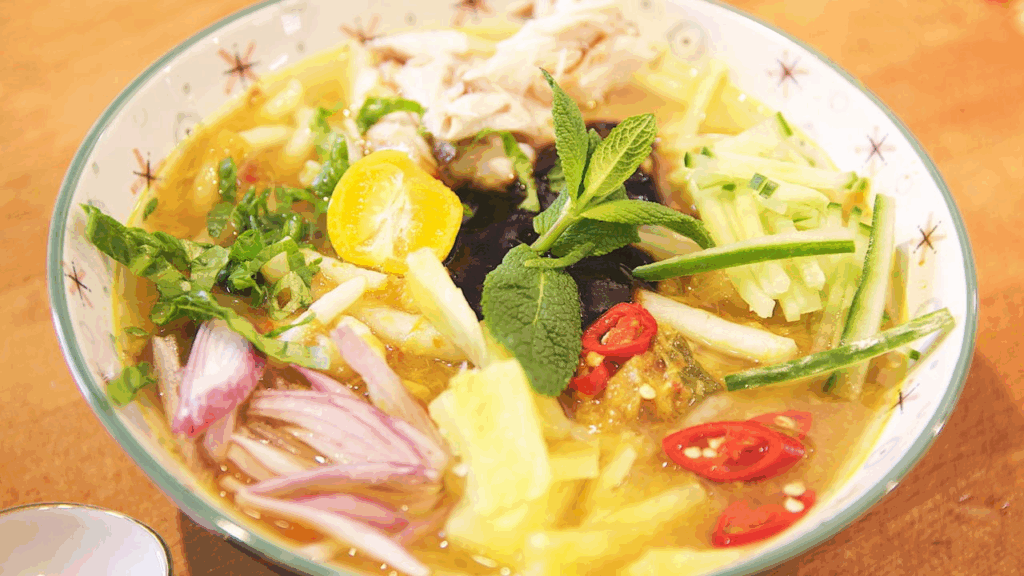
Nyonya cooking, with its blend of Chinese and Malay influences, makes frequent use of ginger to create warmth and balance. Ginger finds its way into braised dishes, spice pastes and soups, offering an aromatic foundation that underpins the cuisine’s vibrant layers of flavour. From everyday meals to festive feasts, it is a quiet but essential presence.
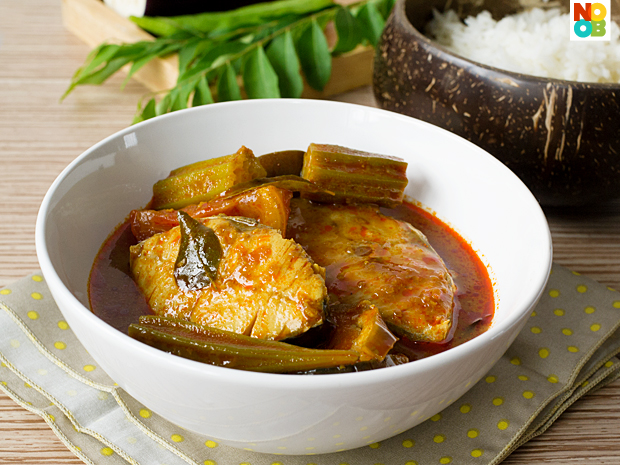
Assam Fish Adds Colour and Heat
Another showcase of ginger’s versatility is assam fish, a dish as colourful as it is bold. The tamarind-based gravy gains depth from galangal and ginger, while turmeric provides its golden hue. The result is a dish that is tangy, spicy and vivid on the plate — a feast for both the eyes and the palate.
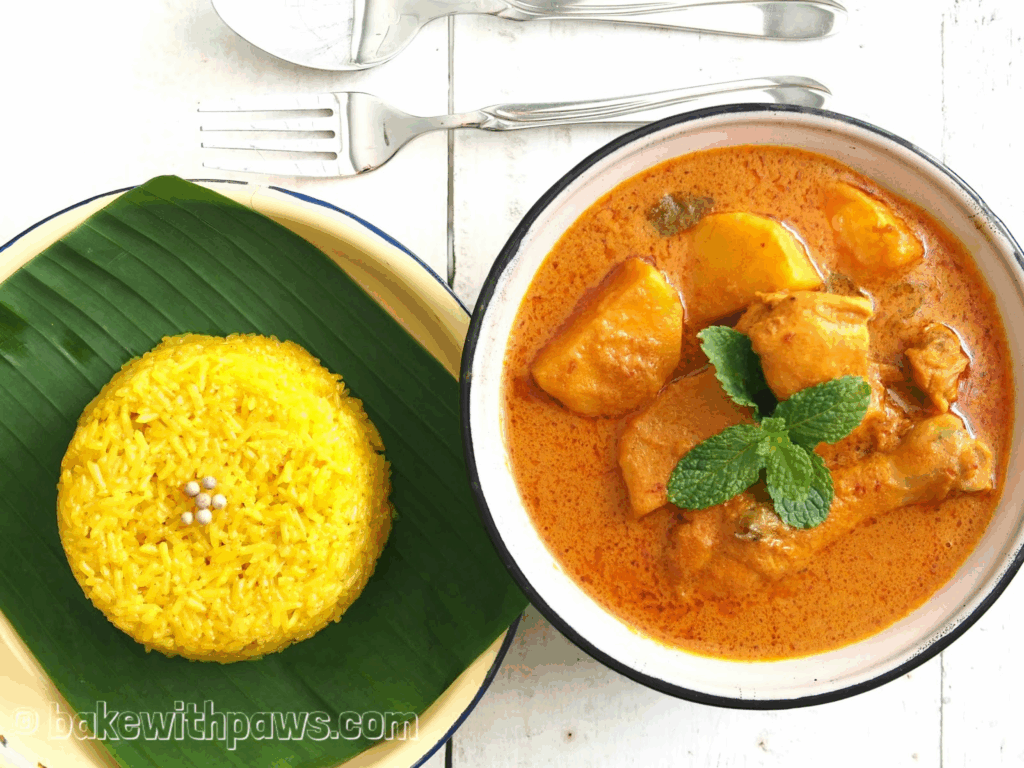
Nasi Kunyit Celebrates the Golden Glow of Turmeric
Nasi kunyit, or turmeric rice, is a dish that turns the everyday grain into something celebratory. The rice is cooked with turmeric, coconut milk and fragrant spices until it becomes a brilliant golden yellow. Traditionally served at weddings and special occasions, nasi kunyit reflects how turmeric is not only a source of colour and health, but also of cultural meaning.
Gingers Remind Us That Food and Medicine Are One
Together, these gingers remind us how nature’s offerings cross the boundaries of taste and health. They flavour our food, heal our ailments, and colour our celebrations. In our garden, they stand not only as ingredients but as living links to centuries of tradition — plants that connect us to our ancestors while continuing to shape our daily lives.
Whether admired for their blooms, harvested for their roots, or brewed into a simple tea, the gingers prove one thing clearly: sometimes the most ordinary-looking plants carry the most extraordinary gifts.