
Most cooking classes follow the same formula. You show up, an instructor talks you through a recipe, you eat what you made, and you leave with a printed card you’ll probably never use. Langkawi Cooking School, set on the Buluh & Tebing organic farm in the rural north of the island, does something different — and the difference is worth understanding before you book.
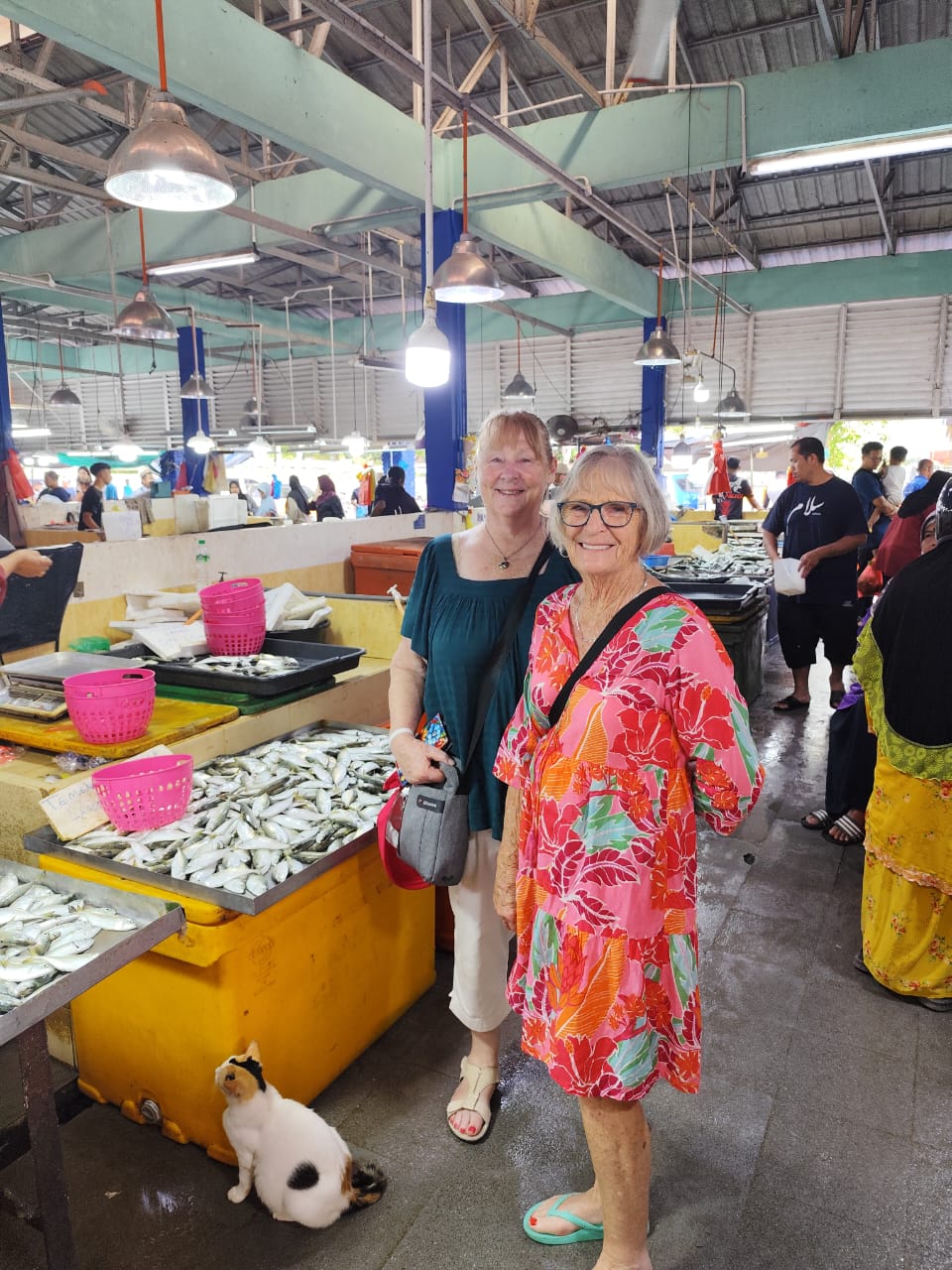
The morning program begins before the cooking does. Pick-up is at 8:15 AM, and the first stop isn’t the kitchen — it’s the market. This is not incidental. Shopping at a Langkawi wet market is a cultural experience you simply don’t get from a book. Vendors introduce you to produce that has no name in English. You learn that galangal and ginger look related but taste worlds apart. You see fresh turmeric root, its vivid orange flesh nothing like the pale powder sitting in your spice rack at home. You begin to understand, standing there among the stalls, that Malaysian food doesn’t start with a recipe — it starts with what the land offers that morning.
By the time you reach the farm, the context is already richer. The setting is something else: a bamboo structure tucked deep in the island, right by a flowing stream, peaceful, natural, and beautiful. The farm grows its own vegetables, and any ingredients not sourced on-site come from local fresh produce markets — the same ones you’ve just visited. Nothing arrives in a cryovac bag. The supply chain, for once, is visible and short.
Instructor Rose runs the sessions with patience and warmth. All the recipes come from traditional Malay roots, which makes the whole experience feel even more meaningful — simple dishes, and yet really tasty. You might cook satay, beef rendang, a clear soup, and a dessert — the kind of dishes that appear on every menu in Langkawi but rarely reveal how they’re made or why they taste the way they do. Here, you learn that rendang’s depth comes from slow reduction, not a spice packet. You learn that the key to a proper sambal isn’t heat alone but balance — the interplay of chili, shrimp paste, and palm sugar that no bottled sauce captures.
This is the real value of a morning here: not the recipes themselves, which you can find online, but the understanding of why things work. Malaysian cuisine is a melting pot of cultures, and blending different ingredients and creating bespoke flavours while welcoming guests has always been at its core. A class at Langkawi Cooking School makes that tangible in a way that eating alone never quite does.
By noon, you sit down to a meal you’ve made yourself, surrounded by a river you can hear, in a forest that keeps making sounds around you. It’s a three-hour investment that reframes the rest of your time on the island — every dish you eat afterwards comes with a little more appreciation, a little more curiosity.
The school offers both morning and evening programs. The evening option includes a farm tour alongside the cooking class, departing at 2:30 PM. Both programs require a minimum of two participants and include complimentary transfers from the Pantai Cenang and Pantai Tengah areas.
This is not a tourist performance of Malaysian cooking. It’s as close to the real thing as a visitor to Langkawi is likely to find.