
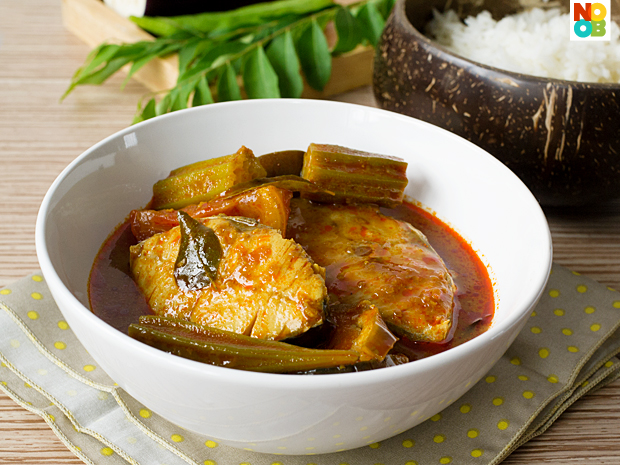
Malaysia does not have a single cuisine. What it has is a collection of regional food traditions — shaped by local geography, historical migration, trade routes, and the cultures that settled in each area — that share a common language of ingredients while speaking in distinctly different dialects. Langkawi’s food is one of the most interesting of those dialects, and understanding what makes it distinct from the broader category of Malay food is the best possible preparation for eating on the island.
The Kedah Foundation
Langkawi is geographically and historically part of Kedah state, a region known as the rice bowl of Malaysia — responsible for roughly half of the country’s total rice production. That identity runs through the food. Rice is not simply a side dish here; it is the centre of the meal, and the variety of ways it appears on the island’s tables — steamed, coconut-infused, pressed, grilled inside bamboo — reflects a culture that has been thinking seriously about rice for centuries.
Kedahan cuisine, of which Langkawi’s food is a branch, tends toward simplicity and freshness. Compared to the complex, heavily spiced curries of central or southern Malaysia, the cooking of this region uses more fresh produce and fewer dried spices. The curries — known locally as gulai panas, meaning cooked on the spot — are lighter and more immediate in flavour: built to order, using whatever is fresh that morning, rather than slow-developed from a deep spice paste. This is a meaningful distinction. A gulai panas in Langkawi and a curry from a Kuala Lumpur restaurant may share the same category label but represent entirely different cooking philosophies.
The Thai Influence
This is where Langkawi diverges most clearly from mainland Malay cuisine, and it is a consequence of simple geography. The island sits closer to southern Thailand than to the Malaysian mainland, and centuries of cross-border movement and trade have left clear traces in the kitchen. Thai ingredients — lemongrass, fresh basil, galangal, lime — appear in Langkawi cooking with a frequency and freshness that you won’t find further south. The flavour profile tends toward brighter, more acidic notes: more tamarind, more fresh herb, more of the sweet-sour-salty balance that defines northern Thai cooking. The Langkawi version of laksa is a good example: its tamarind base gives it a distinctly sharp, tangy character that sets it apart from the coconut-rich laksa lemak of the south.
Seafood as Identity
Langkawi’s coastal position shapes its food in ways that no amount of cooking technique can replicate. The island’s fishing communities have always provided a daily supply of fresh catch from the Andaman Sea — fish, prawns, squid, crab — and the cuisine is built around this abundance. Ikan bakar, whole fish marinated in a paste of ginger, garlic, and chili and grilled over charcoal, often wrapped in banana leaf, is one of the island’s signature preparations. The fish arrives on the grill hours after it was in the water. The simplicity of the cooking is a direct expression of the quality of the ingredient.
The island also has genuinely unique seafood traditions found nowhere else in Malaysian Malay cooking. Sea cucumber — bronok — appears in two island-specific preparations: sup gamat, a clear herbal broth, and kerabu bronok, a raw salad dressed with lime and fresh herbs. Both are deeply traditional, both carry a reputation for medicinal value, and neither features meaningfully on menus anywhere else in the country.
Nasi Tomato and Local Specificity
Even the dishes Langkawi shares with the rest of Malaysia are prepared differently here. Nasi tomato — rice cooked with tomato and spices — exists across the country, but Langkawi’s version is a distinct preparation, typically served with beef rendang, ayam masak merah, acar nenas (a pineapple and peanut salad), and a vegetable and chickpea curry. It is a complete meal built around a specific local logic, not simply a variation on a national template.
Why This Matters
The difference between Malay food and Langkawi food is not a question of quality or complexity. It is a question of character — of what happens when a shared culinary tradition meets a particular place, climate, coastline, and set of neighbours over several hundred years. Langkawi’s food is lighter, fresher, more shaped by the sea and by Thailand than by the spice-trade influences that drive cooking further south and east.
The best way to understand this is not to read about it, but to cook it — to grind the ingredients at a market that sources directly from local farms and fishing boats, to feel the difference between a fresh galangal root and a dried powder, and to taste the result in a kitchen that has been making these dishes long enough to know what they should be.
That is precisely what a morning at Langkawi Cooking School offers.